Poor Circulation in Your Feet: Signs You Shouldn't Explain Away
Feet are the first place circulation problems show and the last place people look for them. The signs have patterns.
Read the article →Diabetes touches a lot of households in Rockingham County, and feet are where it does its quietest damage. A blister from a new boot, a callus that cracks, a nail trimmed a little too close: on a healthy foot these are nuisances, but on a diabetic foot any of them can start a chain that ends in a wound, a hospital stay, or worse. Regular foot care exists to break that chain at the first link, and you don't have to drive to Greensboro to get it.
Diabetes undermines feet in two ways at once. High blood sugar slowly dulls the nerves, a condition called peripheral neuropathy, so cuts, blisters, and pressure spots stop announcing themselves with pain. At the same time it narrows the small blood vessels, so whatever damage does occur heals slowly and fights infection poorly. The combination is the dangerous part: injuries you cannot feel, healing that cannot keep up. Diabetic foot care is the counterweight, built on scheduled exams that find what your feet no longer report, professional handling of nails and calluses that are risky to manage at home, and a standing arrangement to be seen fast when something new appears.
The comprehensive exam measures what a mirror and a glance cannot. Dr. McKinney maps your sensation point by point with monofilament and vibration testing, checks the pulses and blood flow that will determine how any future wound heals, inspects skin and nails for early trouble, identifies the pressure points where calluses are building, and looks over the footwear you actually wear to work. All of it rolls up into a risk level, which sets how often you should be seen, and it's documented for your primary care doctor and your insurance.
If you have diabetes, a comprehensive foot exam belongs on your calendar at least once a year, the same as your eye exam, and starting them while your feet still feel normal is the whole point. Higher-risk feet, meaning any history of neuropathy, ulcers, or deformity, need visits every few months with nail care done in the office. Separate from the schedule entirely: any new sore, warm spot, color change, or swelling means call that day. With diabetic feet, the calendar never overrules a new symptom.
Call (336) 342-5701 promptly for: any open sore, blister, or drainage; a suddenly warm, red, or swollen foot (with or without pain); black or blue skin changes; a callus with dark or bloody discoloration. Urgent foot problems are worked into the schedule faster.
Treatment starts with the simplest option likely to work and escalates only when needed.
Your exam frequency follows your measured risk, from yearly for well-protected feet to every two to three months for high-risk ones. Medicare and most plans cover these exams because catching problems early demonstrably prevents amputations.
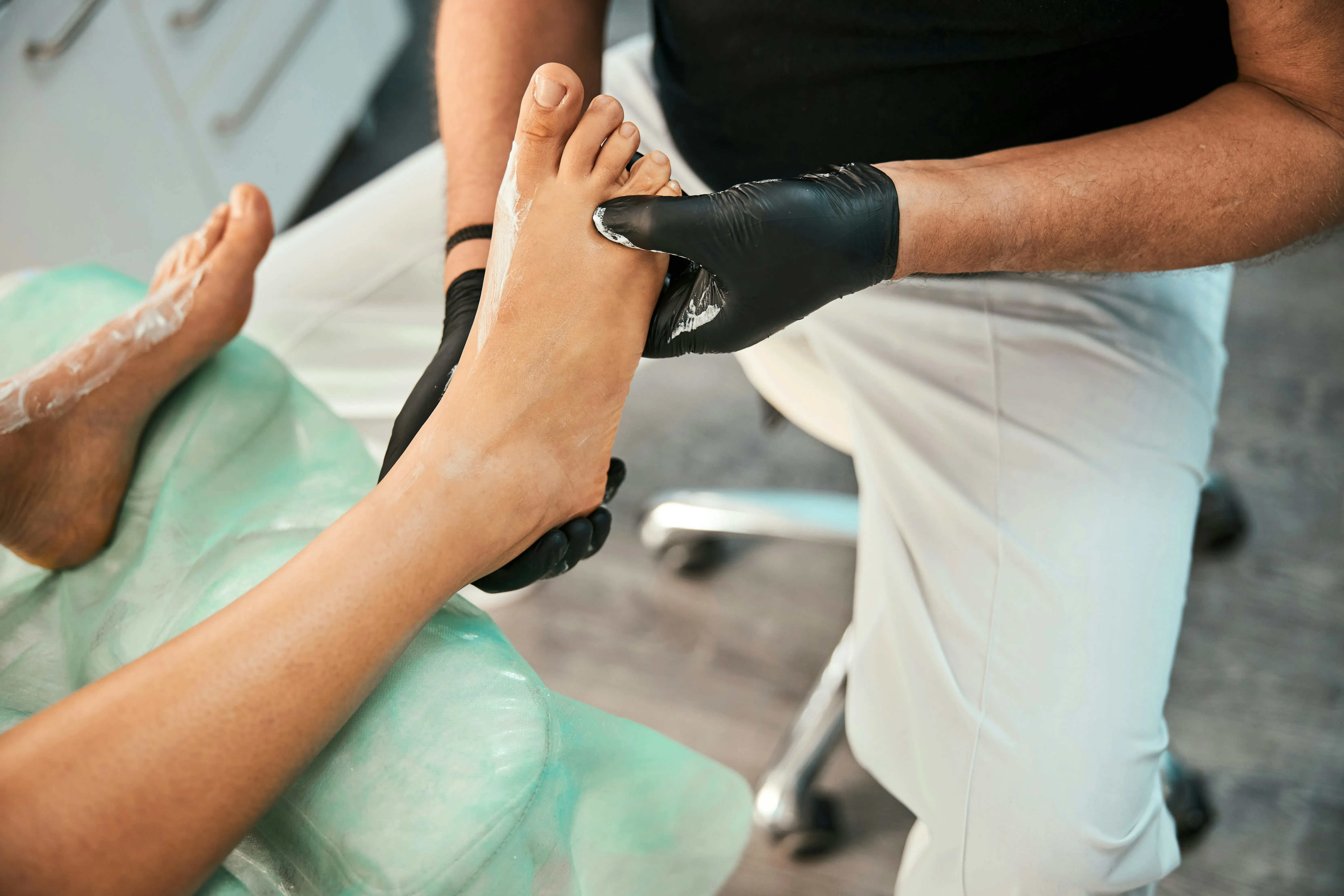
When feet can't feel a slip of the clippers, home nail care becomes a gamble. In-office trimming and callus thinning removes that gamble, and it quietly prevents a large share of the wounds that start diabetic foot disasters.
Hot spots and thick calluses mark where skin is being ground toward breakdown. Diabetic-appropriate footwear, custom inserts, and offloading redistribute that pressure before the skin gives way.
When something does open, the schedule bends: new wounds are seen fast, right here in town, with advanced wound care available as needed. With diabetic wounds, the days between discovery and treatment matter more than almost anything else.
At minimum once a year, even if everything feels fine. The exam findings set your actual schedule: feet with intact sensation and good circulation stay annual, while feet with neuropathy, past ulcers, or deformity move to every two to three months. Your risk level, not a guess, drives the calendar.
Look over both feet once a day: soles, heels, and between the toes, using a hand mirror or a family member for the parts you can't see. You're looking for redness, blisters, cracks, drainage, warm spots, or anything on a sock that shouldn't be there. Found something? Call (336) 342-5701 that day rather than watching it.
Razors and medicated pads are the two classic ways a diabetic foot injures itself at home. The acid in corn pads eats healthy skin along with the corn, and neuropathy means you won't feel a blade go too deep until the damage is done. Callus and corn care on a diabetic foot belongs in the office, where it's quick, painless, and usually covered.
A great deal. A long shift in a boot that rubs is exactly how silent blisters happen, and a stray seam or a pebble you can't feel can work on your skin for hours. Bring your boots to your exam: fit, interior seams, and wear patterns all get checked, and if you qualify for therapeutic footwear, the office will walk you through it.
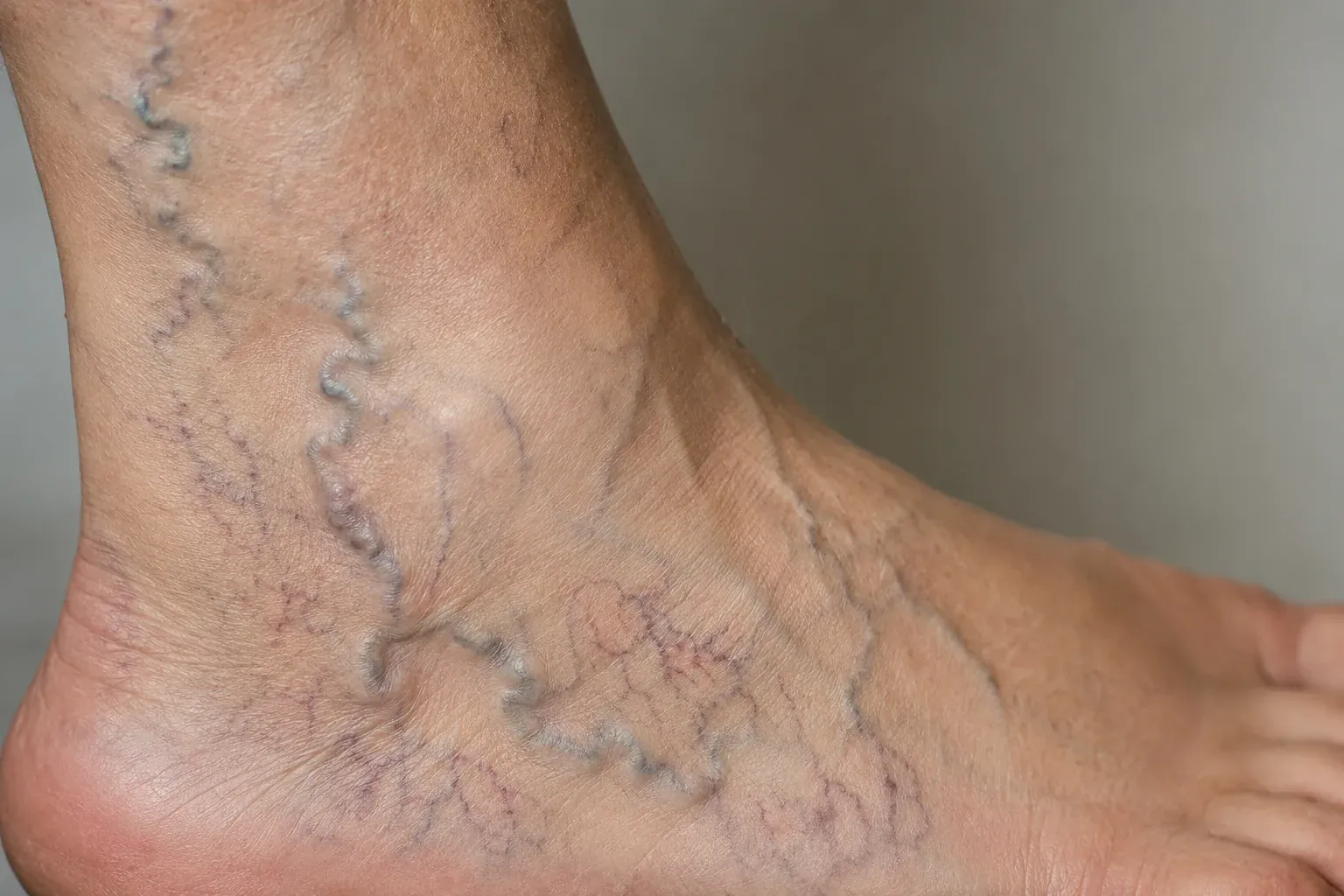
Feet are the first place circulation problems show and the last place people look for them. The signs have patterns.
Read the article →On most feet a callus is cosmetic. On a diabetic foot it's a pressure gauge, and sometimes a lid over something worse.
Read the article →Medicare pays for therapeutic shoes and inserts for qualifying diabetics every year. Most eligible patients never use it.
Read the article →One visit at our Reidsville office gets you a diagnosis and a plan. Call (336) 342-5701 or book online.